Tips For Better House Lighting
Whether you’re a seasoned homeowner or just starting to decorate your home, there are a few tricks for better house lighting.
Recessed lighting, Floodlighting, Accent lighting, and Furniture placement.
These tips will help you make the most of your home’s lighting, no matter what room it is in.
Recessed lighting
A simple recessed lighting fixture can give your room an elegant touch. However, to achieve the full effect, you’ll need to do some planning.
The first thing to do is to calculate the distance between lights in a row. To do this, divide the room’s length by the number of lights per row.
This will give you the minimum recommended distance between fixtures.
Next, make a note of the area you would like to light. Typically, you want to space the lights a couple of feet apart. You can also adjust this depending on your decor.
For example, if you have a 10-foot ceiling, you’ll want to space your lights at least five feet apart.
Lastly, you’ll need to cut holes for the light. You can use a hole saw to cut out the holes in a pinch. Be careful when doing this, as missing screws can make the fixture appear to fall off the wall!
Another tip is to choose a light that is energy efficient. LED bulbs are a great choice since they don’t generate heat.
They can last up to 11 years if you don’t exceed 12 hours of daily usage.
Finally, recessed lighting can also be an artistic touch. You can add a decorative trim to a mirrored surface or a stamped metal fixture to a wooden ceiling.
These can look wonderful in a home office.
Whether installing recessed lights for the first time or upgrading your current setup, keep these tidbits in mind. Using the right information can make the process easier.
Tips for Using Recessed Lights
- Consider the Purpose: Remember that recessed lights are typically used for three main purposes: general illumination, task lighting, and accent lighting. The light direction and brightness should match these particular needs.
- Plan the Layout: Before installing, carefully plan your layout. A common rule of thumb is to space your lights approximately 2 feet from the wall and 3-4 feet apart. However, this may vary based on ceiling height and room size.
- Choose the Right Brightness Level: Opt for a higher lumen output (around 600-800 lumens) for general ambient lighting. You might need less brightness (around 200-400 lumens) for task or accent lighting.
- Select the Correct Color Temperature: Warm white (2700K – 3000K) works great in living rooms and bedrooms to create a cozy atmosphere, while cool white (3500K – 4100K) can be used in kitchens and bathrooms.
- Pick an Appropriate Trim Style: Make sure to choose a trim style that fits your room’s aesthetic. Baffle trims are popular due to their anti-glare properties, while open trims provide maximum light output.
- Dimmer Switches Are Your Friend: If you want full control over light intensity throughout different times of the day or for different events, consider installing dimmer switches with your recessed lights.
- Think About Energy Efficiency: LED recessed lights use less energy than traditional incandescent bulbs and have a longer lifespan.
Remember, safety comes first! Always consult with a qualified electrician before starting any electrical work.
The best way to install recessed lighting is to follow the manufacturer’s instructions, but you can always make minor adjustments to a recessed fixture to fix a problem.
Accent lighting
If you want to enhance your home, accent lighting may be just the ticket. The right light can change the look and feel of any room.
Whether it’s a bedroom, bathroom or even a hallway, the right lights will help you feel more comfortable.
Although many people think of accent lighting as something only designed to draw attention to a specific area, such as a piece of art or a fireplace, it’s also used to highlight architectural features.
It can be a nice way to show off a heirloom or unique piece of furniture and a great place to hang a picture.
However, you don’t want to overdo it. Ideally, your lighting design should complement your decor. Using the same light in your dining room and kitchen will look odd.
You don’t want to use your bedroom’s accent lighting to light up the entire room, so make sure you keep the lighting balanced.
For instance, LEDs are ideal for accent lights. They allow you to control the brightness and contrast, and adding a touch of magic to your home is easier than you think.
Smart use of dimmer switches can also reduce power consumption.
Another good reason to use LEDs is that they last considerably longer than traditional incandescent bulbs. Also, they are made to be environmentally friendly, so they’re a great way to go green.
In addition to the LEDs, you might also want to consider adding a dimmer to your wall switches or even a remote control. You can save a lot of energy and money.
Finally, the best place to get started is by considering what you already have in your home.
For example, you can install the best LED lights in your master bedroom and then focus your attention on the other areas.
That way, you won’t waste money on a new chandelier.
If you’re unsure where to start, you can always consult a lighting expert.
Not only will he or she be able to recommend the best products for your particular situation, they’ll also be able to guide you through the process.
Designer Tips for House Lighting:
- Layer Your Lighting: Most rooms need three types of lighting: ambient, task, and accent. Ambient light provides the overall illumination of the room; task lighting directs light to certain work zones; and accent lights highlight specific objects or details.
- Consider the Room’s Function: Different rooms require different kinds of lighting. For example, a kitchen will require bright, shadow-free task lighting for food preparation areas, while a living room might benefit from softer ambient lights to create a relaxed setting.
- Use Dimmers: Dimmer switches allow you to vary the light levels depending on your mood or the time of day. They can also extend bulb life and reduce energy use.
- Choose Appropriate Bulb Type: LED bulbs are energy efficient and last longer than conventional fluorescent or incandescent bulbs. They’re available in various color temperatures, allowing you to choose whether your space has a warm or cool hue.
- Think About Color Temperature: Kelvins (K) measures light bulb color temperature. Lower Kelvin numbers mean the light appears more yellow; higher Kelvin numbers mean the light is whiter or bluer.
- Don’t Forget Outdoor Lighting: Well-placed outdoor lights can provide safety along paths and highlight architectural features.
- Use Mirrors and Glossy Surfaces: These reflect light around a room, making it seem brighter and larger.
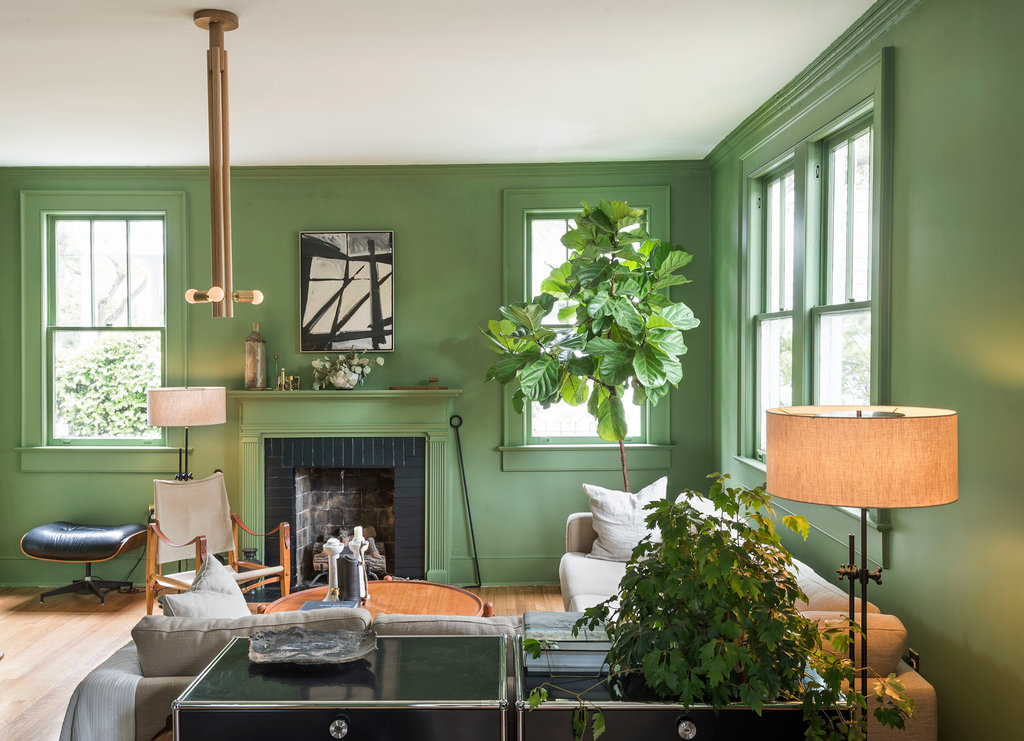
- Experiment with Shades and Lamp Covers: Different lampshades can produce very different effects, altering brightness, color intensity, and mood.
- Pay Attention to Shadows & Reflections: Be aware of where shadows fall when planning your lighting scheme – particularly in high-function areas like kitchens and bathrooms where they can be a hindrance.
Remember: good lighting design combines art with science – it requires understanding aesthetics and practicalities such as power usage and safety regulations.
Outdoor Floodlighting
Floodlighting is one of the most fundamental elements of exterior lighting. It is used to illuminate large areas and to accent architectural features. In addition, floodlighting is often used for security purposes.
Floodlights are important in creating a safe and attractive outdoor space.
Unlike spotlights, which are used to illuminate smaller areas, floodlights cast a broad beam, making them ideal for providing area lighting.
They can be installed in walkways, driveways, tennis courts, and anywhere that a wide area needs to be light.
Floodlighting luminaires are designed to be weatherproof, providing a safe, durable solution for commercial and residential applications.
They are manufactured in aluminum housings that are chemically etched or powder coated. These units are then tested to withstand UV exposure and rated salt spray.
When designing a system, it is important to consider how the light is distributed. This can be done by selecting a single distribution or a combination of symmetrical and asymmetrical beams.
The NEMA luminaire classification system defines seven types of distributions.
Typically, individual units have a spacing-to-setback ratio of about two to one.
Modular floodlighting systems offer significant customization options. Each module can be adjusted for direction and beam intensity, allowing you to replace or add modules as your needs change easily.
Moreover, modular floodlights are easy to service, install, and provide a large lumen package.
LEDs have made floodlighting luminaires more affordable and more effective. This allows them to deliver an extraordinary return on investment.
For example, a typical source efficacy for LEDs is approaching 200 lm/W, which means that the light source captures 95% of the light.
LEDs can be installed as part of a complete architectural lighting system, providing a wide variety of lighting effects and the ability to dim and regulate the light.
In addition, these devices can be controlled remotely using a smartphone.
Floodlighting is a great way to provide ambient lighting and accent architectural features and silhouettes. It has many other uses as well.
Floodlighting can be used to highlight monuments and statues or to deter unsightly visitors. They can also be used to create shadowing and silhouetting and for accenting architectural elements and hardscape features.
Exterior House Lighting Tips
Creating a perfect ambiance outside of your home isn’t just about appealing to the eyes, but it’s also about security and safety.
Here are some expert tips for lighting up your home’s exterior.
- Layer Your Lighting: Just like interior lighting, outdoor lighting also works best when used in layers. There are three basic types of outdoor lighting: Ambient, Task, and Accent.
- Ambient lighting sets the overall light level in an area.
- Task lighting is used for specific purposes, such as illuminating walkways or decks.
- Accent lighting highlights specific architectural features or plants.
- Use Energy-Efficient Lights: Opt for LED lights since they use less electricity and can withstand harsh weather conditions better than traditional bulbs. Solar-powered lights can also be a good option.
- Highlight Architectural Features: Uplighting can highlight the architectural details of your house, such as columns or arches, while downlighting can bring attention to pathways and lawns.
- Security First: Critical areas that need light at night include entrances, pathways, stairs, and driveways. These areas must be well-lit to prevent accidents and deter potential intruders.
- Consider Outdoor Wall Lights: These can add a decorative touch to your exterior while providing illumination where needed.
- Try Landscape Lighting: Use landscape lights to illuminate trees, shrubs, or flowers, beautifying your yard and providing an extra layer of security by reducing dark spots around your property.
- Control Light Pollution: Avoid excessive outdoor illumination as it could cause light pollution, disturbing people living nearby and wildlife. Keep your outdoor lights directed downward where they’re needed most rather than pointing toward the sky.
Remember, a well-planned exterior lighting scheme enhances the beauty of your property while ensuring its safety and security at all times.
Types Of Home Lighting
There are several different types of home lighting, each serving a unique purpose and adding to the house’s overall aesthetics.
- Ambient Lighting: Also known as general lighting, ambient lighting provides the primary source of light for a room, allowing you to move around safely and see clearly. Ceiling lights, chandeliers, or recessed lights typically provide it.
- Task Lighting: As the name suggests, task lighting targets specific areas to help perform tasks that require more illumination, like reading, cooking, or doing homework. Examples include desk lamps, under-cabinet kitchen lights, and bathroom vanity lights.
- Accent Lighting: This type of lighting is used mainly for decorative purposes to highlight certain room features, such as artworks, architectural details, or even plants. It’s often achieved with wall sconces, spotlight-style fixtures, or track lighting.
- Decorative Lighting: Decorative lighting contributes both aesthetics and functionality in a space. Examples include pendant lights over a kitchen island or a statement-making chandelier in an entryway.
- Natural Light: Not to be forgotten is natural light which comes from windows, doors, and skylights. Natural light can greatly influence the mood and feel of your space.
- Smart Lighting: A modern take on home illumination where you can control the brightness level and color temperature via smartphone apps or voice-controlled assistants like Amazon Alexa or Google Home.
Each type has its own advantages that contribute towards enhancing visibility, improving aesthetics or creating desired moods in your spaces.